
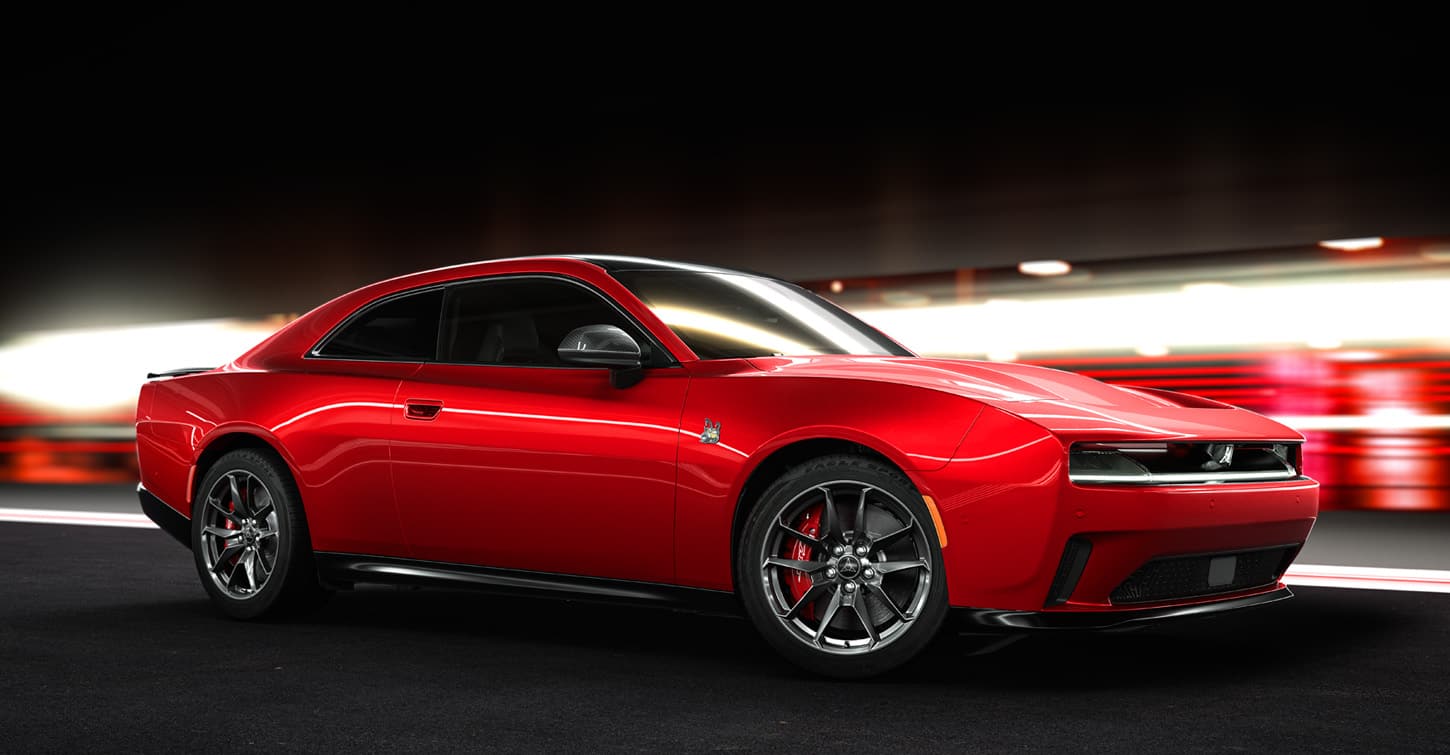
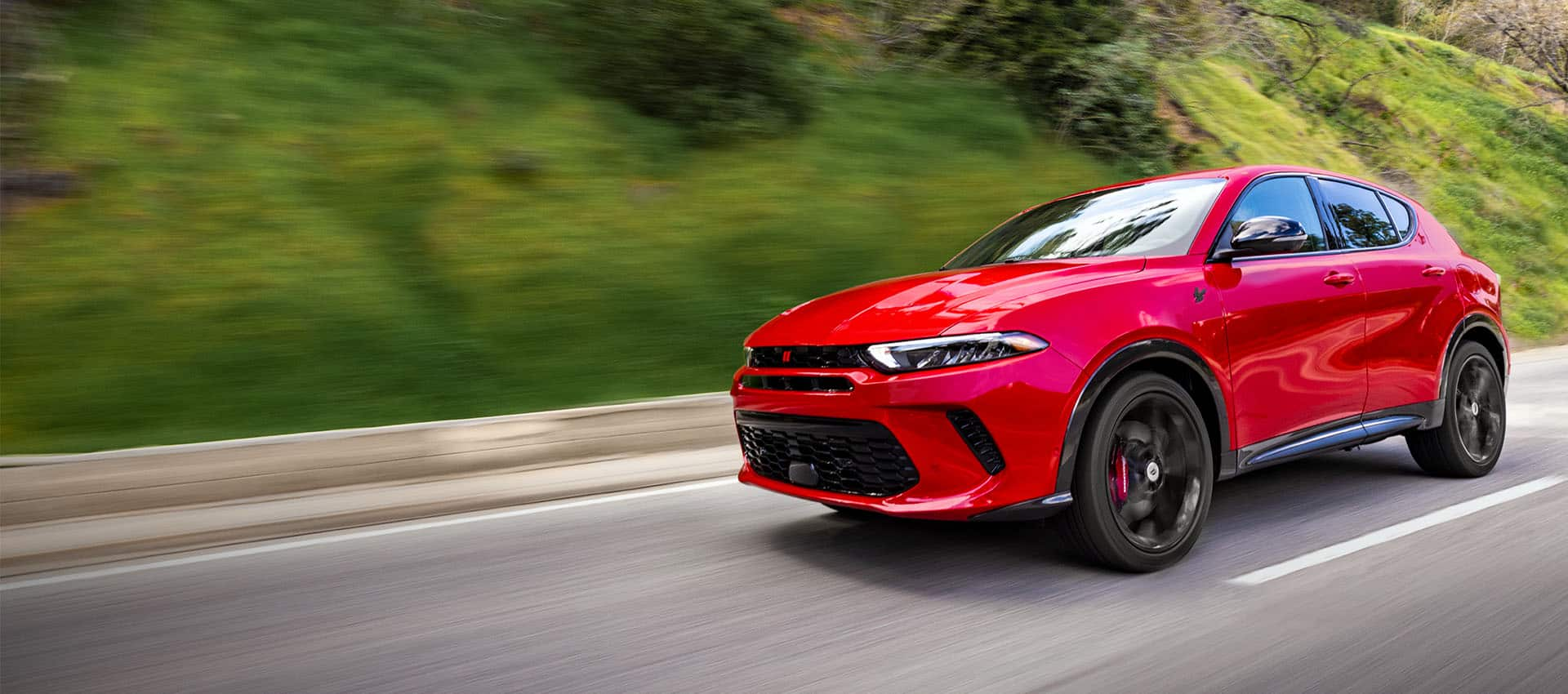

DODGE PERFORMANCE VEHICLES
DIRECT CONNECTION BROUGHT TO YOU BY POWER BROKERS
Unlock your Dodge Brand muscle car's full performance potential or build your dream race car with available factory-backed Direct Connection performance parts. Dodge Power Brokers will act as your dedicated team of certified, performance-trained experts who serve as the exclusive source for new Direct Connection performance parts and installation.
HELL YEAH
Turn up the heat everywhere you go. Shop Demon 170, Blacktop®, and all our high-velocity collections via either the Official Dodge Merch Store or our dedicated Amazon shop.
BORN TO RACE?
WE’LL SHOW YOU HOW
Radford Racing School, the Official High- Performance Driving School of Dodge//SRT®, is offering world-class driving programs and experiences to anyone who wants to learn the ways of the track—whether you own an SRT or not. That said, new SRT owners have a chance to sign up for a special one-day SRT class where they can learn how to handle their vehicle's power and capabilities.
BRING IT HOME IN FOUR EASY STEPS
From inventory to financing, the Dodge E-Shop Program brings the complete dealership experience to your doorstep.
STEP 1. SEE WHAT THEY GOT
STEP 2. PRICE IT OUT
STEP 3. DO THE WORK
STEP 4. LOCK IT DOWN
KNOW YOUR WORTH
The Dodge Brand isn’t just the winner of Kelley Blue Book’s KBB.com fourth consecutive Best Car Styling Brand award in 2022—we trust Kelley Blue Book to offer drivers the honest market value of their vehicle. Find out how much your vehicle is worth with an independent KBB.com estimate.
CURRENT OFFERS
We’re offering special deals to make sure you can get into the Dodge Brand vehicle that fits you. Check out what’s available now.